What keeps kids in sport, and why fueling a practice in October matters as much as a championship meet in March
Every day, I have a second breakfast.
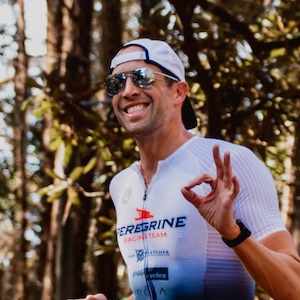
I’m up at 4:45 a.m. for a basement training session: on the bike, a lift, or some time on the treadmill; my session ends when my oldest wakes up around 7:30 a.m. I eat before I train, a habit I had to teach my body to accept. Afterward comes a second, carb-heavy breakfast with chocolate milk. I need it for my training, but lately my son has started asking for his own “second breakfast” after his Saturday morning soccer practice. Watching him pick up the habit on his own is the bigger reward.
It’s October and a new swim season is underway. New caps, new groups, new lane-mates, and for a lot of families, a new schedule to figure out. Before the meet calendar fills up, it’s worth stepping back to two things that matter more than any time posted this fall: what keeps kids in this sport, and the role each of us plays, athletes included, in showing up ready to do the work.
Why Kids Stay
This part of the research is not complicated. Kids name fun as the main reason they play a sport and its absence as the main reason they leave. The Aspen Institute’s Project Play found that the average child plays a sport for less than three years and quits around age 11, most often because it stopped being fun.
But fun doesn’t mean what most adults assume. When researchers at George Washington University asked young athletes to define it, their answers centered on trying hard, learning and getting better, being coached with respect, and being part of a team. Winning (being the fastest, meeting performance expectations) was not near the top. Hard work isn’t the opposite of fun. For kids, it’s a big part of it.
Friendships are a big part of fun and belonging too. More than a month into a season, every swimmer should know their lane-mates and be starting to feel like part of the group. If that isn’t happening, coaches should want to know. Swimmers can talk to their coach. Parents can send a quick, constructive note letting the coach know their swimmer may be feeling a little outside the group. The coach can take it from there.
That gives all of us, coaches and families alike, a clear target: protect the parts of this sport that kids actually value.
What the Best Swim Parents and Supporters Do
- Keep the ride home simple. “I love watching you swim” does more than any stroke critique. Ask what they worked on or what was fun, then let them lead.
- Let the coach coach. Technique and race plans belong on deck. Yours is the voice that tells them you’re proud regardless of the clock.
- Keep October times in perspective. In-season swims under a full training load aren’t supposed to look like championship swims. Effort and growth are the measures right now.
- Talk about food as fuel. Leave weight and body shape out of the conversation entirely: theirs, a teammate’s, or your own. Kids are listening.
- Handle what only you can. Get them there on time, rested, and fueled. That last one deserves its own section.
Fueling Is a Shared Job
Most young swimmers can’t fuel themselves yet. They don’t control the grocery list, the pantry, or the gap between an 11 a.m. school lunch and a 4:30 p.m. practice. That gap is ours to close, and it matters more than most families realize.
If you’re a swimmer old enough to pack your own bag, this part is yours. Know what you’re eating before practice, keep something in your bag for after, and treat it as part of training, because it is.
An underfueled swimmer swims slower, sure. They also lose focus, get frustrated, struggle to absorb what the coach is teaching, and have less fun, which brings us right back to why kids stay in the sport. The International Olympic Committee’s 2023 consensus statement on Relative Energy Deficiency in Sport recognizes low carbohydrate availability as an added risk for athletes whose intake doesn’t keep up with their training. Studies of competitive swimmers, including college athletes, keep finding the same thing: many aren’t eating enough to match their training. Carbohydrates are the primary fuel for hard swimming. They are not the enemy.
Before, During, and After, Sized to the Swimmer
Three or fewer sessions a week, one hour or less per session
- Before: Some carbs 30–60 minutes out: banana, pretzels, applesauce pouch, toast with jam.
- During: Water is fine. No need to get fancy or spend money. It’s truly about building the healthy habits here.
- After: Carbs soon after practice; their timing matters most. Protein matters too, but its timing is less critical.
More than three sessions a week, over an hour each
- Before: Carbs 30–60 minutes out. The older and more committed the athlete, the more fuel is needed.
- During: Carbs are essential: a sports drink with real carbohydrate, or easy carbs on deck. A low-calorie drink like G2 or an electrolyte tablet isn’t enough.
- After: The same: carbs soon after, protein then and/or with the next meal.
Just before practice, go easy on high-fat and high-fiber foods, which sit heavy in the water. For early-morning practice, something small beats nothing at all: a banana, toast, or a glass of juice. Swimmers with medical or dietary needs should follow their pediatrician or a registered dietitian.
For the vast majority of athletes, none of this needs to be rocket science. Have fun with it, build healthy, consistent habits, and watch the results follow.
October Counts as Much as March
Most of us treat fueling as a meet-weekend project: pasta the night before, the right snacks in the bag, a plan for the session breaks. That matters. It just isn’t where the season is won. The championship swim is built from hundreds of practices between now and then, and each one is only as good as the fuel behind it. A practice your swimmer can’t fully engage in (or recover from) is a practice they don’t fully get back.
Habits also don’t appear on demand. “Nothing new on race day” is one of the oldest rules in endurance sport, and it applies to kids too. A swimmer who has eaten the same pre-practice snack all winter walks into championship season with a routine that already works. The swimmer discovering a fueling plan for the first time in March doesn’t have that.
The payoff from building these healthy habits and relationships with food as fuel runs longer than any one swim season. Kids who learn early that food is what makes training possible carry that into their teenage years, when training loads rise and outside pressure about food and bodies gets louder. The healthy foundation gets built at the kitchen counter and in the swim bag.
Whether you’re in the water, on deck, or in the car line: pack the snack, fill the bottle, and keep the ride home kind.
Most of the swimmers who learn these habits will never stand on an Olympic podium. Every one of them will carry the habits forward: a teenager who knows how to take care of the body that carries them, a college student who doesn’t skip breakfast before a long day, a parent who someday packs the snack for their own kid. That is the work we do at TAC, every day, in every lane.
— Derek Wall
Executive Director, Triangle Aquatic Center | TAC TITANS